
 The use of inhalants is becoming more and more popular. The act of using inhalants is sometimes referred as “drug sniffing” or “choofing”. Using inhalants, even if they are common household products, can be very dangerous and parents are often not really aware that it is happening. It is often young teenagers who use them. Find out more about what inhalants are, the health problems from using them and how best to help your children.
What are inhalants?
- Inhalants are usually common products, easy to obtain, with some kind of “fumes” or gas that can be breathed in and cause changes in the body and/or mind.
- They are usually not banned drugs; rather they are legal products that are quite safe if they are used as intended by the manufacturer.
- Most inhalants are depressants. Depressants are substances that slow down the brain.
- When people “choof” or “sniff” a volatile substance (something that evaporates into the air), the chemicals move very quickly into the lungs. From there they then go into the bloodstream, around the body and to the brain.
- The chemicals in the blood slow down the messages in the brain and through the central nervous system. This is what gives the feeling of a “high”.
How are inhalants used?
- Inhalants are breathed in through the nose or mouth.
- Sometimes the inhalant is sprayed onto a cloth and inhaled from the cloth; othertimes it is inhaled from a container.
- Some young people breathe the fumes from a plastic bag. It is very dangerous to breathe anything from a plastic bag – it can result suffocation.
What do people use to inhale?
The following are some of the things that are easily obtained by young people and which are dangerous to inhale:
- Petrol (gasoline)
- Glue (adhesives)
- Paint and paint thinners
- Hair spray
- Cleaning fluid
- Gas from lighters or barbecues (butane)
- Nail polish remover
- Felt pens
- Cooking spray
- Typewriter correction fluid
- Oven cleaners
Nitrous oxide
Nitrous oxide is an inhalant that parents may not be aware of. Nitrous oxide is used by doctors and dentists as an anesthetic. It is also used in the food industry, as a propellant for some foods such as cream, which is sprayed on to cakes etc, and young people may be able to obtain nitrous oxide from these sources. It comes in small silver canisters. Nitrous oxide gives a “high” feeling because it depresses the nervous system. It also can cause dizziness, numbness, ringing in the ears, raised body temperature and unusual sensations. A person who loses consciousness and is still sniffing nitrous oxide (e.g. using it in a small space) can die very quickly. The gas replaces oxygen in the blood and affects the part of the brain that is responsible for breathing. If the person does not become unconscious and stops sniffing the nitrous oxide they can recover quickly. Long term use of nitrous oxide can cause deficiency in vitamin B12, anemia and nerve problems.
Effects from using inhalants occur very rapidly and may include feeling:
- slightly drunk
- less inhibited
- excited and happy – followed by feeling sleepy
- nervous and “jumpy”
- sick
- reckless – taking risks without thinking about the dangers.
Effects of inhalants on the lungs and throat
- If the inhaled substance is in a pressurized can when the gas is released from the container, its temperature drops quickly, so if it is inhaled straight from the container it can cause freezing damage to the mouth, nose, throat and even the lungs. It can cause nosebleeds or bleeding, and soreness to other parts of the skin.
Other possible effects
- Vomiting
- Headache
- Dizziness
- Slurred speech
- Sore eyes or double vision
- Diarrhea
- Loss of appetite
- Flu-like symptoms – runny nose, sneezing, coughing
- Unpleasant breath – you may be able to smell the inhalant on their breath
- Nosebleeds
- Hallucinations (seeing or hearing or feeling things that are not there)
- Sores around the mouth and nose.
Long term effects
Inhalants can do serious damage to the body if they are used over time. Over time users need to use more and more to get the same high feeling.
- Ongoing feelings of tiredness, depression, confusion, irritability, or thinking that other people are against them (paranoia)
- Brain damage
- Hearing loss
- If leaded petrol is used; the lead in the petrol can build up in the body and damage internal organs, particularly the brain.
- Lack of co-ordination – not being able to use your body very well, e.g. write, hit a ball.
- Damage to the liver and kidneys.
- Drinking alcohol while using inhalants can make the damage to the body worse.
Inhalants can cause death by:
- suffocation from inhaling from a plastic bag
- choking on their own vomit
- heart failure from hard exercise or a sudden shock after inhaling. This is one of the main causes of death from inhalants. The chemicals make the heart beat faster and the beat is not regular, then it can suddenly stop – cardiac arrest
- injuries due to risk taking (such as lying on a road)
- asphyxia – the inhaled gases can cause a person to die from lack of oxygen
- suicide – from feeling depressed after a high.
Withdrawal effects
Most inhalant damage stops when the person stops using them. Withdrawal effects don’t usually happen unless the person has been using them very heavily. However petrol, cleaning fluids and aerosol sprays can cause permanent damage.
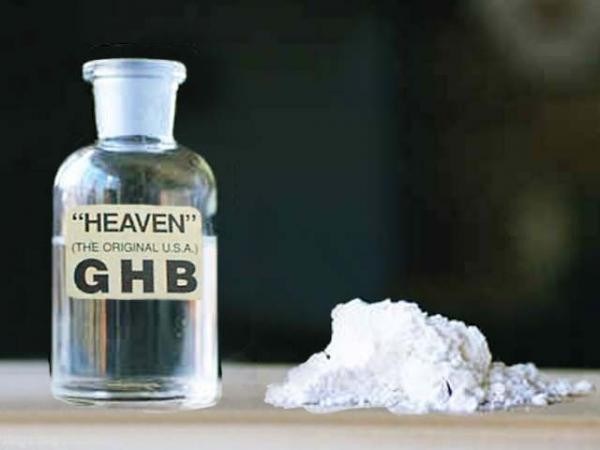 GHB is used by athletes to regulate human growth hormone. It also has limited medical use for treating narcolepsy. GHB is also a popular recreational drug as it acts as a depressant and a strong intoxicant. Users find that it enhances their experience while at a club or partying.
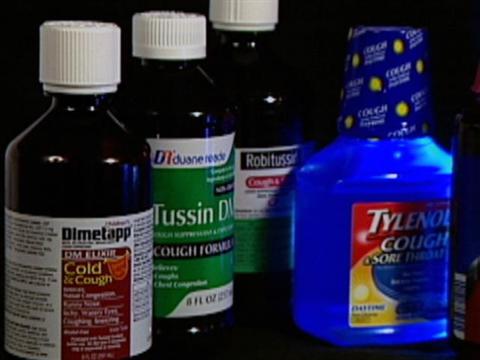 Dextromethorphan or DXM is the active ingredient in non-narcotic, over the counter cough syrup. In small doses DXM acts as an antitussive to relieve symptoms of cold and cough. In higher doses the drug can have a variety of effects users seek to achieve when using the drug recreationally.
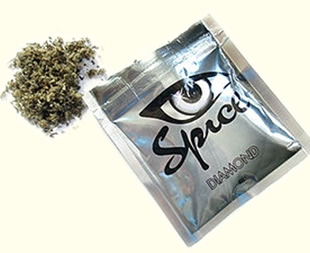 The active chemical in Spice is JWH 018, JWH 073 or a variety of other synthetic cannabinoids. The chemicals are usually sprayed on dried leaves and sold in foil packets. Make no mistake; Spice is an extremely harmful drug. While the immediate effects are similar to marijuana, there can be other devastating consequences as well. Some of these are:
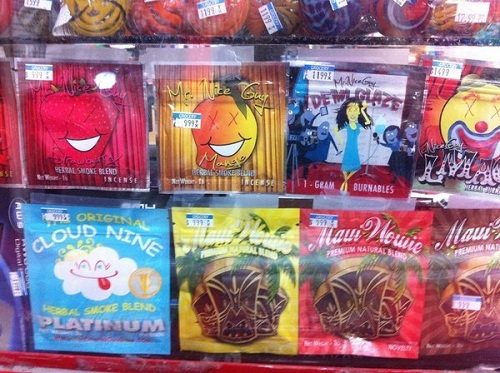 Bath Salts, Mephadrone or Methylenedioxypyrovalerone is a new, designer drug that started becoming popular in 2004. Prior to 2011, Bath Salts were legal in the US. They were commonly sold at gas stations, head shops, specialty stores and other locations as recreational drugs. In 2011 the drug became classified by the Drug Enforcement Agency as a Schedule 1 drug.
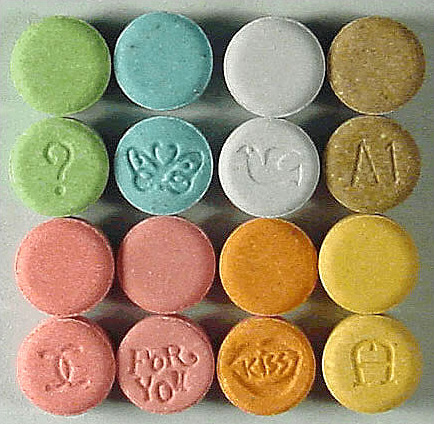 Ecstasy, also called MDMA, thizzle, skittles, rolling, etc is a semi-synthetic chemical compound. In its pure form, it is a white crystalline powder. It is usually seen in capsule form, in pressed pills, or as loose powder. The average cost ranges from $10-$30 ( U.S.) a dose. The most common routes of administration are swallowing or snorting, although it can be smoked or injected as well. Currently, Ecstasy is on the U.S. Schedule I of controlled substances, and is illegal to manufacture, possess, or sell in the United States. Most other countries have similar laws.
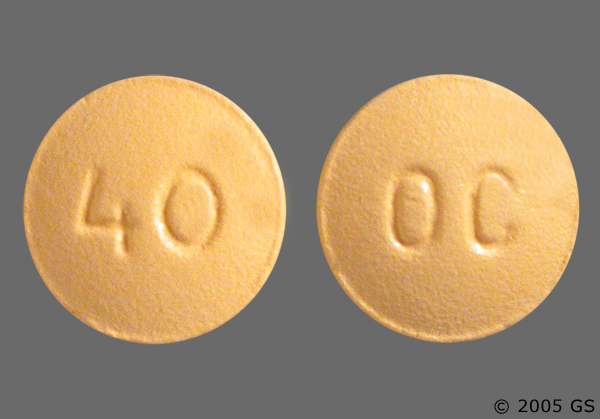
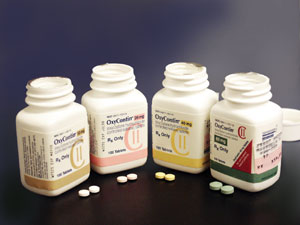 OxyContin is the brand name for an opioid analgesic containing the active ingredient oxycodone (also found in Percocet and Percodan). OxyContin is a legal narcotic that is available by prescription to treat severe pain. OxyContin is a controlled-release medication that, when used correctly, provides extended relief of pain associated with cancer, back pain, or arthritis. However, often when the drug is abused, the tablets are crushed and snorted, chewed, or mixed with water and injected. This eliminates the time-release factor and allows for a quick and intense rush of the drug to the brain. This practice can lead to overdosing on OxyContin’s active ingredient, oxycodone, by releasing too much of the medication into the bloodstream too quickly. OxyContin is highly addictive which means that higher doses of the drug must be taken when a tolerance develops. Illicit use of the drug has risen drastically and steadily over the last few years.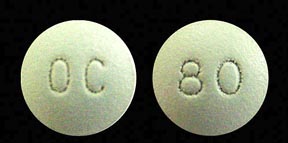
 Cocaine is a stimulant, which means it speeds up the brain and nervous system. The effects that people get from cocaine are related to the amount they have, which can vary significantly. Cocaine has both a pain killing effect because it blocks the transmission of pain impulses from the nerves to the brain, and a “high” because it stimulates and energizes people to greater alertness, intensifying their mood. Cocaine looks like white powder and can be smoked, snorted and injected.
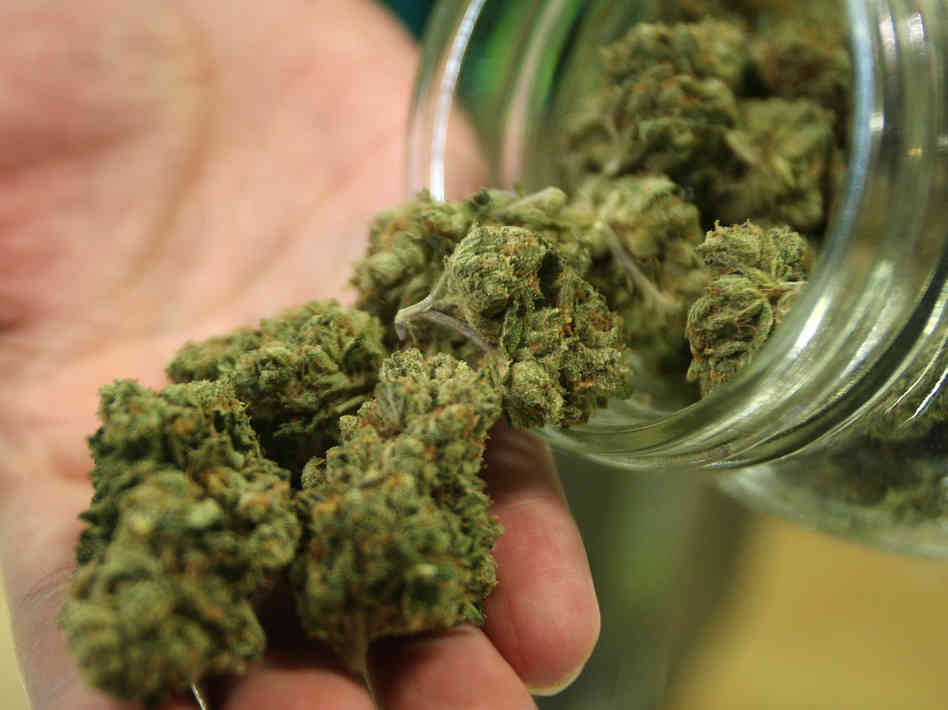 Marijuana is usually smoked as a cigarette (joint) or in a pipe. It is also smoked in blunts, which are cigars that have been emptied of tobacco and refilled with marijuana. Since the blunt retains the tobacco leaf used to wrap the cigar, this mode of delivery combines marijuana’s active ingredients with nicotine and other harmful chemicals. Marijuana can also be mixed in food or brewed as a tea. As a more concentrated, resinous form it is called hashish, and as a sticky black liquid, hash oil.* Marijuana smoke has a pungent and distinctive, usually sweet-and-sour odor.
 Alcohol affects people differently depending on their size, sex, body build, and metabolism. General effects of alcohol are a feeling of warmth, flushed skin, impaired judgment, decreased inhibitions, lack of muscular in coordination, slurred speech, and memory and comprehension loss. In states of extreme intoxication, vomiting is likely to occur and may be accompanied by incontinence, poor respiration, and a fall in blood pressure. In cases of severe alcohol poisoning coma and death can occur.